Affiliate disclosure: As an Amazon Associate, BORN Dance Academy earns from qualifying purchases. Recommendations are Erin's own, and the price you pay is exactly the same.
Tap shoes come in two shapes that suit two different ages, and buying the wrong one is easy because both are sold as “tap shoes for girls”.
Which tap shoes are right for a toddler?
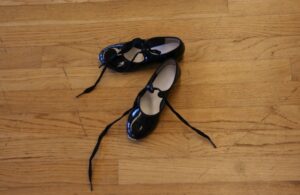
The patent bow-tie style is the classic first tap shoe. It fastens with a buckle or elastic strap, which a small child can manage, and the shiny patent finish is what most people picture when they think of a toddler in tap shoes. At BORN, this is the required shoe for mini tap classes.
Mini tap classesCapezio
Jr. Tyette Patent Bow-Tie Tap Shoe
- Meets BORN dress code
- $$
Erin says The classic first tap shoe. The strap fastens in one motion, which matters when you have a room full of four year olds who all need their shoes on at the same time. Patent finish stays looking new far longer than matte.
Sizing Capezio tap shoes generally run about one size smaller than street shoes. Widths are narrow, so size up for a wide foot rather than sizing long.
Check price on Amazon (opens in a new tab)Opens Amazon. We may earn a commission at no cost to you.
When should a dancer move to oxford tap shoes?
Once a dancer moves past the mini classes, the lace-up oxford takes over. Laces hold the foot far more securely than a strap, which matters as the footwork gets faster and the shoe has to stay put. It is also the style tap dancers wear for the rest of their lives.
Juniors and upVarious
Lace-Up Oxford Tap Shoe
- Meets BORN dress code
- $$
Erin says Once a dancer is past the mini classes, laces are worth the extra thirty seconds. The foot stays put through faster footwork in a way a strap cannot manage, and this is the style tap dancers stay in for good.
Sizing Lace-up tap shoes fit closer to street size than Mary Jane styles, but check the brand chart before ordering.
Check price on Amazon (opens in a new tab)Opens Amazon. We may earn a commission at no cost to you.
Do tap shoes run small?
Tap shoes generally run about one size smaller than street shoes, though this varies by brand more than ballet slippers do. Check the specific brand’s chart rather than assuming.
Widths matter here. Many tap shoes are cut narrow, and a wide foot squeezed into a narrow shoe is genuinely uncomfortable for an hour of class. If your child has wide feet, look for a wide fitting rather than buying a longer shoe. Extra length just moves the foot around inside the shoe.
Unlike ballet slippers, tap shoes do not stretch much. What you buy is roughly what you keep.
Do the taps come already attached?
The metal plates arrive attached and occasionally work loose with use. A screwdriver and thirty seconds fixes it. Check them now and then rather than waiting for a rattle in class. Do not let a dancer wear tap shoes outdoors on concrete; it wears the taps down and studios dislike the grit it drags onto the floor.
What else does a tap dancer need?
A leotard, dance top, fitted shorts or a dance skirt. No street clothes. Tights for recital but not for class.